
Precious Metals
Native gold specimens from alluvial deposits, platinum in its elemental state, silver of dendritic formation
Explore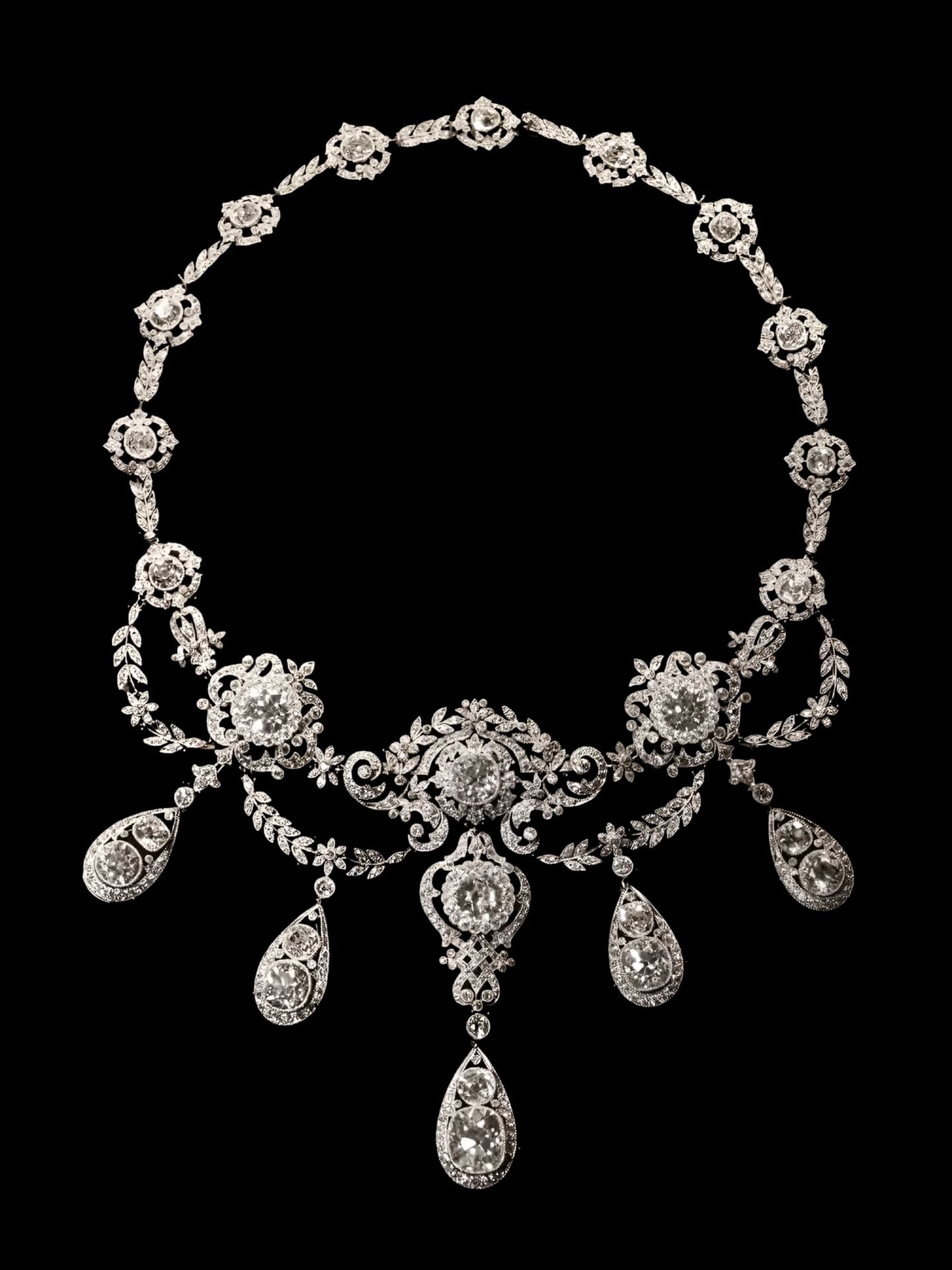
Rare Gemstone · Precious Metals · Material Culture · High Jewellery
We find them at the source.
We bring them to those who understand what they hold.
Our philosophy draws inspiration from the 16th-century Portuguese and Spanish trade routes — a time when seafaring vessels carried more than just cargo; they carried the collective knowledge of distant horizons across the oceans. In that same spirit, we welcome all who seek a deeper understanding of what truly makes a treasure meaningful.
Our Story
Phaigort is built around a single conviction: the Earth's most extraordinary materials carry a depth of meaning no jeweler can manufacture. We find them at the source, understand them with scientific rigour, and bring them to collectors who know the difference between something decorative and something true.
Read Our Story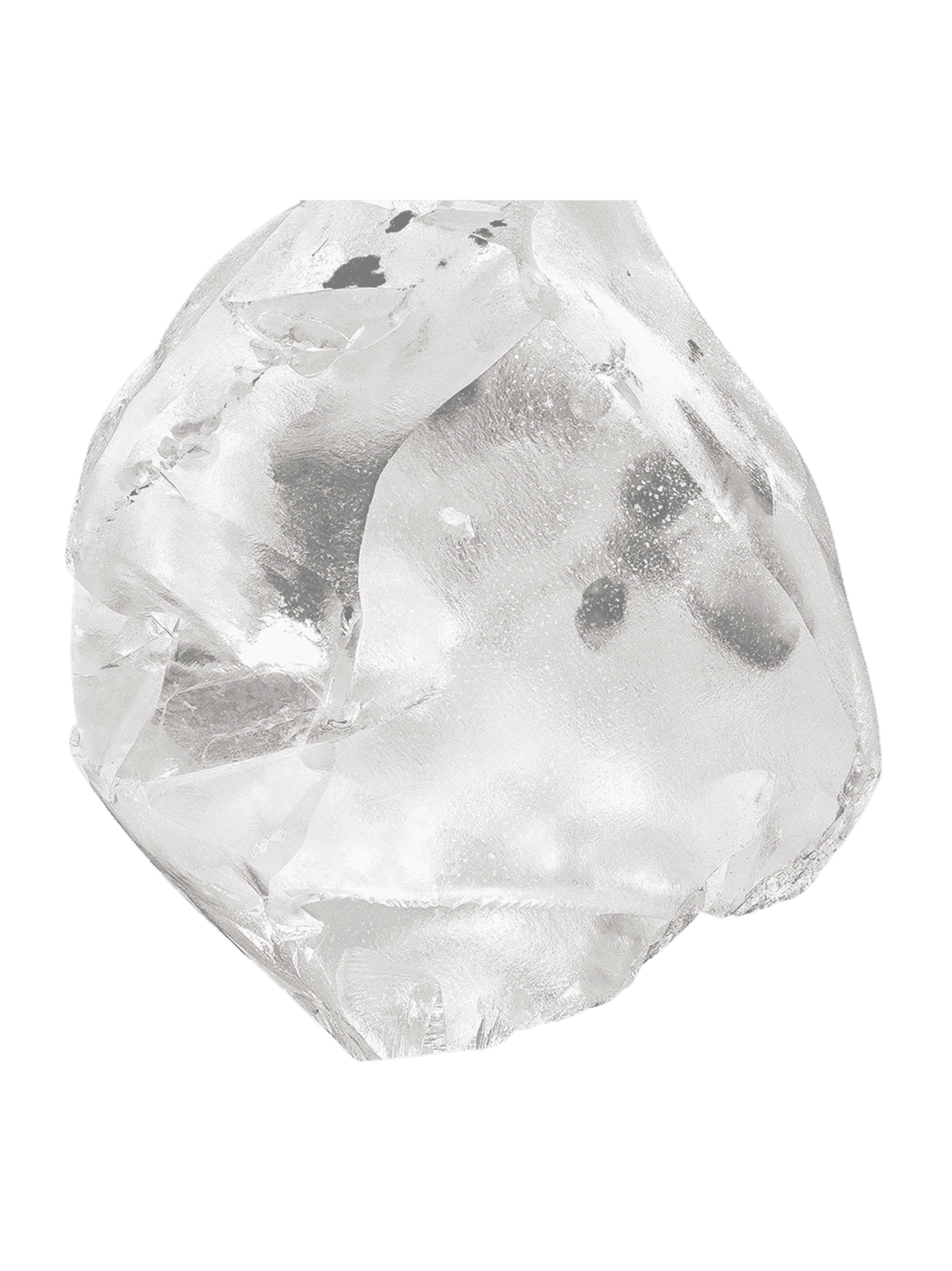
01
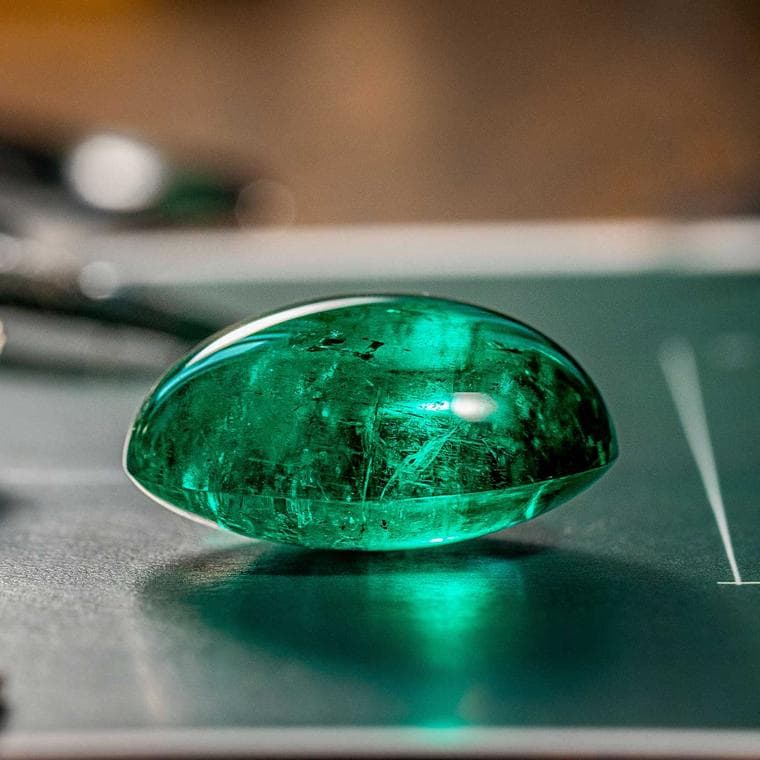
A sapphire's colour is pigment — it is iron and titanium locked in crystal under temperatures that would vaporise everything familiar. A spinel forms where marble meets limestone under ancient mountain roots. These are geological events you can hold in your hand.
02
Great stones do not reveal themselves easily. They surface from river gravels in Sri Lanka, metamorphic corridors in Madagascar, marble seams in Vietnam. Finding them demands literacy across continents, and the instinct to recognise beauty before the lapidary's wheel has touched it.
03
Every stone is held to one question: will it matter more when it is rarer? The cutting must honour the stone's natural optics. The metalwork must be worthy of the material. The provenance must be more rigorous than claimed. This is the discipline of making things built to be passed down.
Phaigort represents more than a jewellery house — it is the institution behind our Wonderhouse of material and craftsmanship consciousness.
The Name
The name synthesises the Greek phainomenon — that which reveals itself through observation — and the Portuguese fazer — to create. Two words for the same act: the moment something becomes knowable.
We honour García de Orta, the pioneering Portuguese physician who in 1563 authored the first scientific treatise on gemstones in everyday language — choosing to share knowledge rather than keep it exclusive. He embodied the same spirit of accessibility and rigour that defines Phaigort today.
A sanctuary for material fascination — an inclusive vessel, inviting curious minds on a voyage to uncover the world's geological wonders, the legacy of human craftsmanship, and the brilliance of contemporary innovation.
Est. Material Consciousness
The Collection
Precious Metals
Native gold specimens from alluvial deposits, platinum in its elemental state, silver of dendritic formation
Explore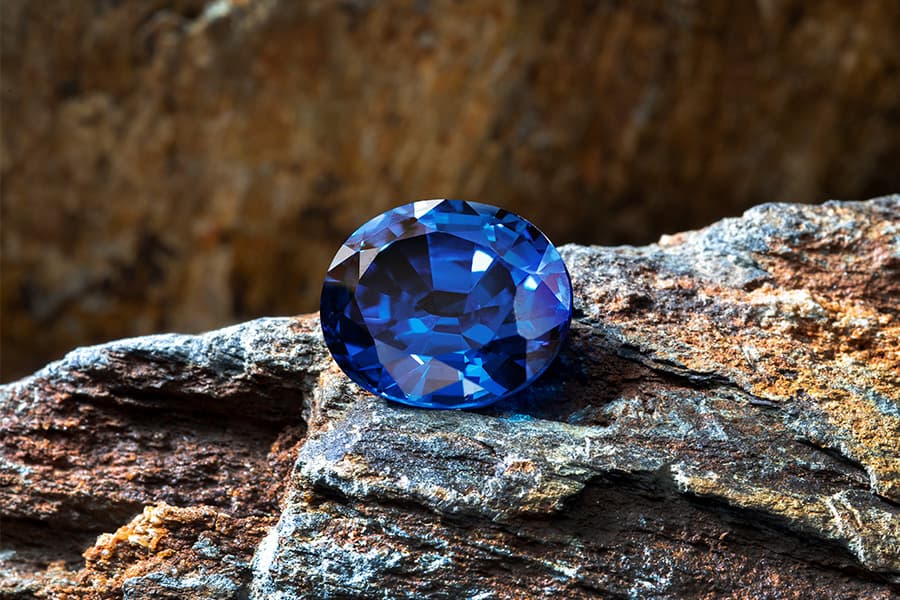
Geological Rarities
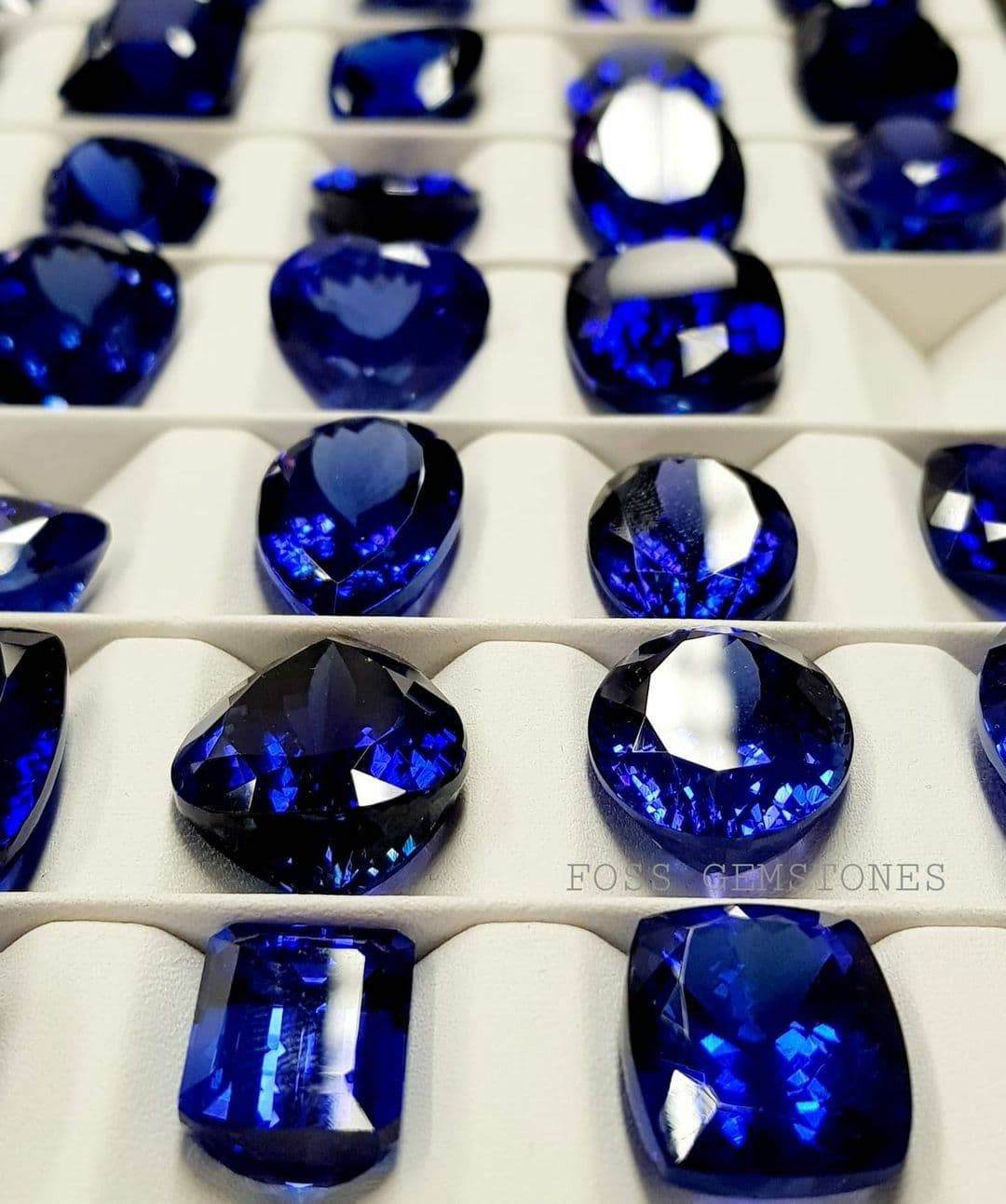
Coloured gemstones of exceptional origin
Explore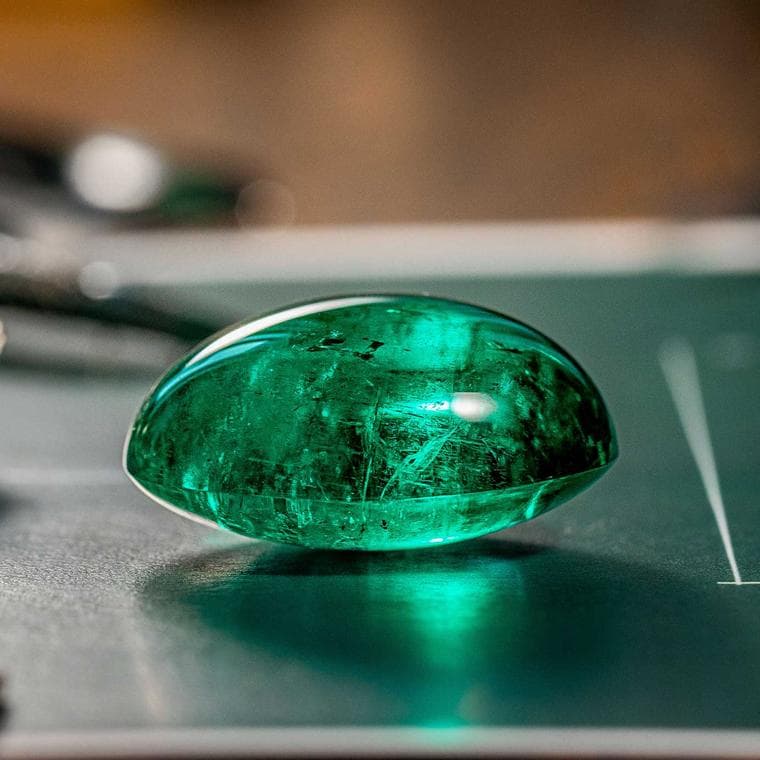
Historical Artifacts
Objects carrying the accumulated intelligence of craft traditions across centuries
Explore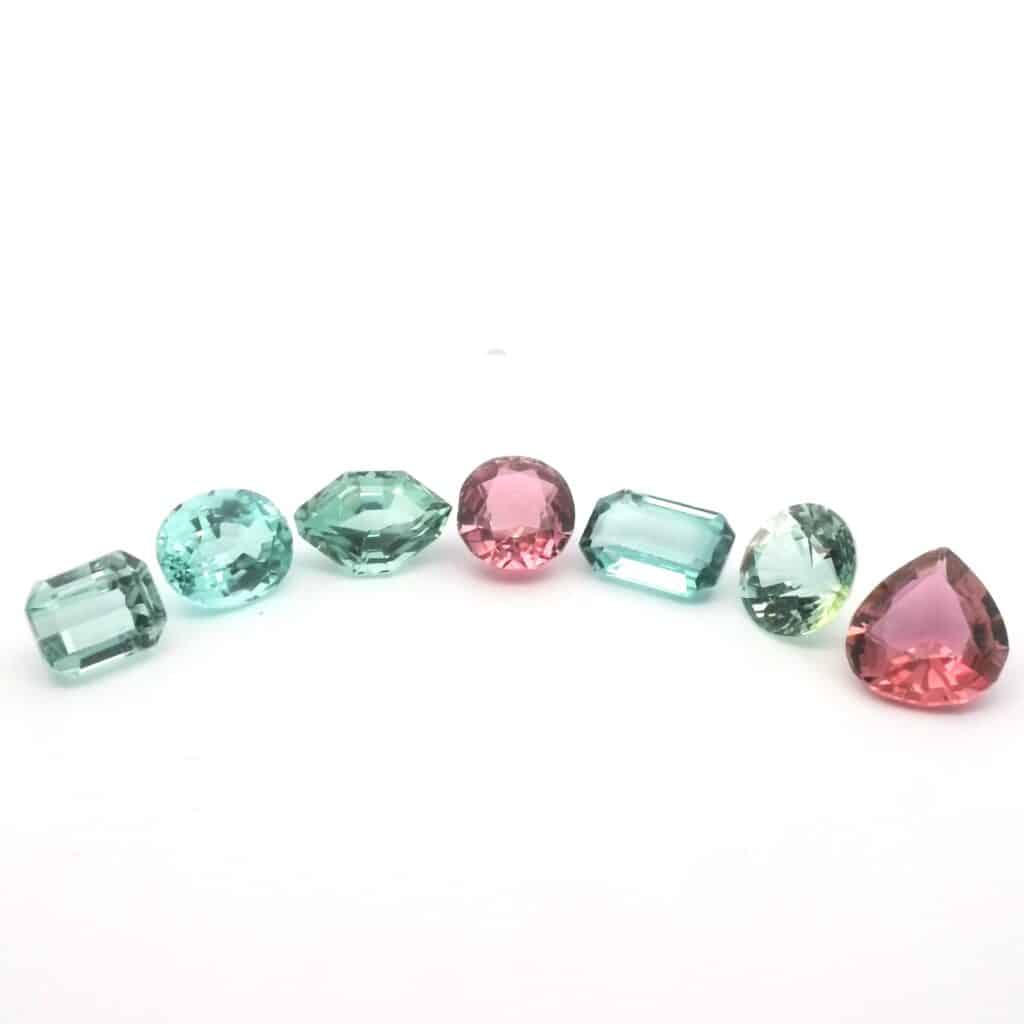
Contemporary Innovations
Materials at the boundary of what science currently permits
Explore
Certain pieces in the Phaigort archive have never been publicly listed — not because they are unavailable, but because the right conversation has not yet happened. We do not believe rarity should be announced. It should be discovered, by those who are looking, and occasionally by those who did not know they were.